"If we really want children to grow into independent and resourceful adults, we should stop pouring their milk as soon as they have learned to pour it themselves and stop fastening their buttons as soon as they can fasten them without help."
- Maria Montessori -
It is a parent’s natural instinct to take care of their children. This includes feeding, bathing, getting them dressed, combing their hair, and keeping them safe.
As children get older, it is also their natural instinct to do things for themselves. An early sign of independence in children is evident when they become mobile. They try to crawl toward something that seem interesting to them or hold onto an object as they learn to walk, in an attempt to move around by themselves.
The natural caregiver and caretaker instincts in a parent compels them to do things for their children. When a child resists by saying “No” or pushes a parent’s hand away, that is an early sign of a child asserting his or her independence.
--- TIPS TO HELP FOSTER INDEPENDENCE IN CHILDREN ---
ALLOW THE CHILD TO TRY
A lot of what children do, is what they see others do. This is obvious during play when they imitate actions of adults. Children are naturally curious and they want to do things on their own. Do not discourage them from trying to do things (unless it is unsafe or not appropriate for their age).
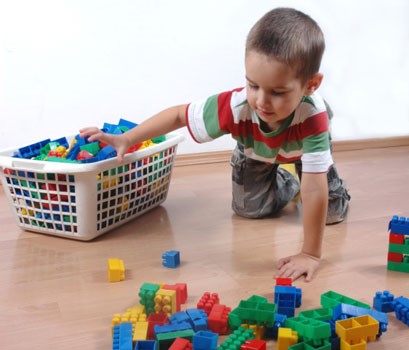
For toddlers, start with getting them to tidy up after playing with their toys. Make the experience fun by singing a song as you do it together. It will eventually become a routine activity for them to do and they will start doing it on their own without frequent reminders. Keep each activity you do with a toddler simple. When one task is accomplished satisfactorily, introduce a new task such as feeding themselves.
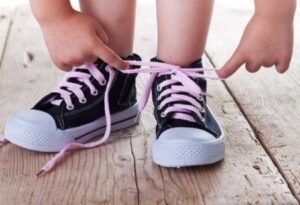
As children get older, self-help skills (e.g. brushing their teeth and getting dressed) become more important. Instead of always volunteering to do for them, allow children the opportunity to try for themselves. It is okay to demonstrate how to do it but let them do as much as they possibly can. Do not expect perfection in the beginning. The more they practise, the more capable they will become.

PRAISE THE CHILD'S EFFORT OR ACCOMPLISHMENT

Just like adults, children feel good about themselves when they accomplish a task. Let them know you are proud of them by praising them for what they have accomplished. Praise can be verbal (“You did it!” or “I’m so proud of you!”) or physical (giving a “high five” or a hug). This can be a confidence booster for them to take the initiative to undertake a new challenge.
BE PATIENT
Chances are a child will not get the task perfect the first time. Do not make the child feel bad about not getting it right. Reassure children as they try that they are doing well. If they get frustrated when they encounter difficulties, give them words of encouragement. Children pickup on your body language (whether negative or positive), so relax and smile. This will assure them you are there to help and support them.

If they get upset to the point of crying and giving up, take a break. Reassure them it is okay and try again another time when they are calm and willing to try. Offering to do the task for them should be a last resort. Guide the child through the process. When children are learning to do new tasks for themself, the best time for them to begin learning is when you are not in a hurry. Children need uninterrupted time to master the steps involved in the process.
BENEFITS OF BEING INDEPENDENT
An independent child learns to be less reliant on others to do things for him or her. An independent child is more mentally equipped to make decisions and solve problems in their daily lives, which will help them as they get older.
Independence:
- Builds self-esteem - children feel good about themself and is proud of who they are.
- Builds confidence - children are willing to take on challenges without fear of failure. They are willing to take risks.
The benefit to a parent is the pride you feel knowing you have raised, equipped, and empowered your children to be self-sufficient and capable of managing on their own.
"It is not what you do for your children, but what you have taught them to do for themselves, that will make them successful human beings."
- Ann Landers -